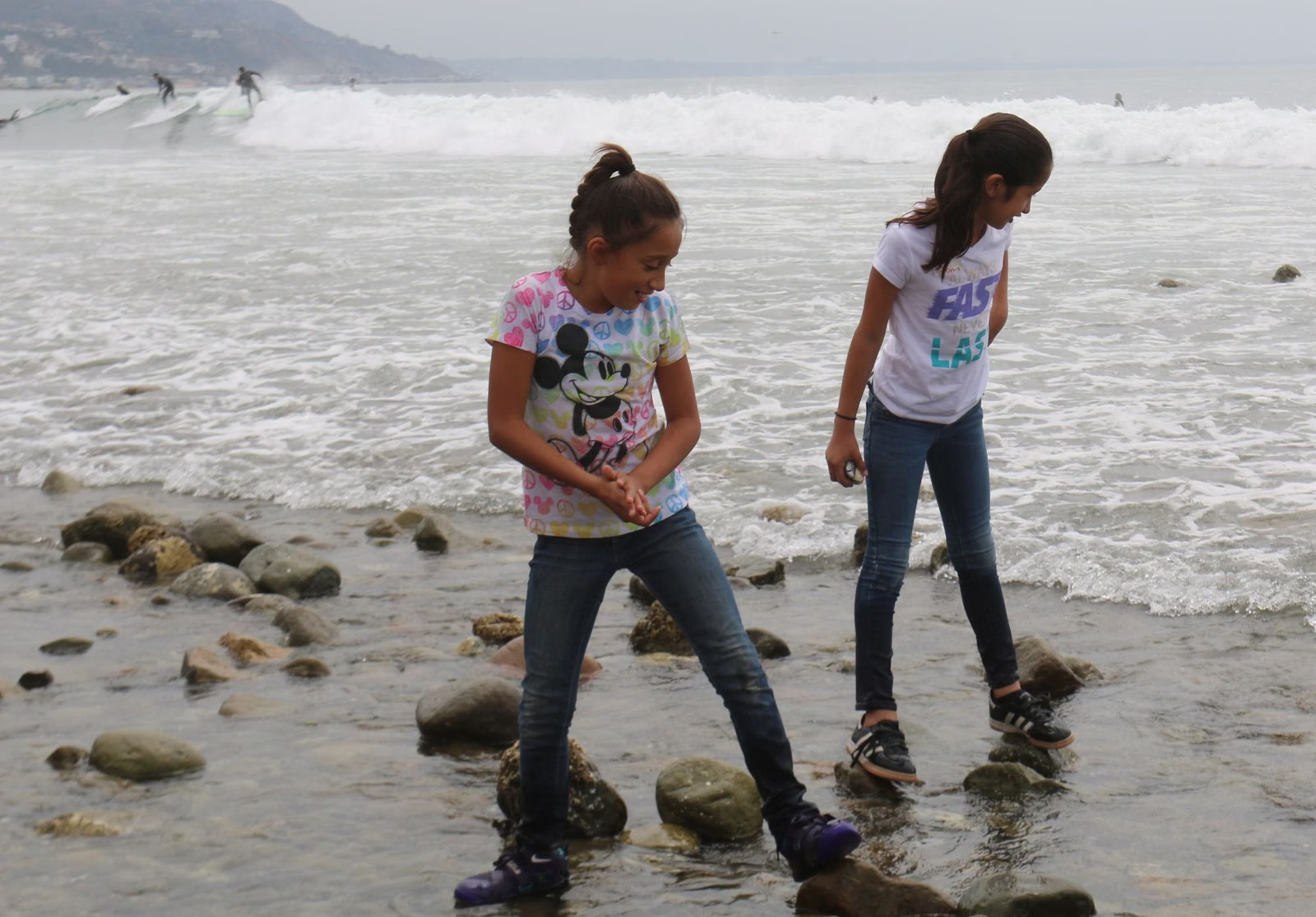
Surfrider Beach
Surfrider Beach is the stretch of Malibu Lagoon State Beach between Malibu Lagoon and the Malibu Pier. It has almost a mile of ocean frontage, LA County lifeguards in daylight hours, and a 90-space County parking lot. Its long right-hand point break made it the heart of California surf culture, and on October 9, 2010 it became the first World Surfing Reserve.
Surfrider Beach at a Glance
Where It Is
Surfrider Beach runs along Pacific Coast Highway in front of the Adamson House, from the mouth of the lagoon east to the Malibu Pier. LA County gives its addresses as 23050 and 23200 Pacific Coast Highway. It is part of the state beach, so State Parks rules apply, while the County staffs the lifeguard towers and the parking lot.
The Waves
State Parks describes Surfrider as a three-point break with rides of 300 yards or more. Save The Waves calls it a right-hand cobblestone point break, built by sediment from Malibu Creek and the lagoon, that picks up south swells. It breaks best in spring, summer and fall. On the biggest days, waves can reach double overhead and link up for 100 yards or more from Second Point to the pier.
For surfing basics, crowd manners and surf reports, see Surfing.
Swimming
LA County says Surfrider has some of the best surfing and swimming conditions in Los Angeles, but swimming areas are limited. Swim near a staffed lifeguard tower, keep out of the surf lineup, and stay away from where the lagoon flows into the ocean. LA County Public Health advises staying out of the ocean for at least 72 hours after rain, and away from flowing creeks and storm drains at any time. See Swimming & Lifeguards.
Facilities
LA County lists restrooms, showers and picnic facilities at Surfrider Beach. Activities on its list: surfing, swimming, diving, fishing and volleyball.
Parking
The LA County Surfrider lot has 90 spaces and charges a fee at a pay station. The State Parks lot at Cross Creek Road is a short walk west across the bridge. On some days you can find free parallel parking on PCH. See Parking. Metro Bus 534 stops at Pacific Coast Highway and Malibu Pier.
Surf History
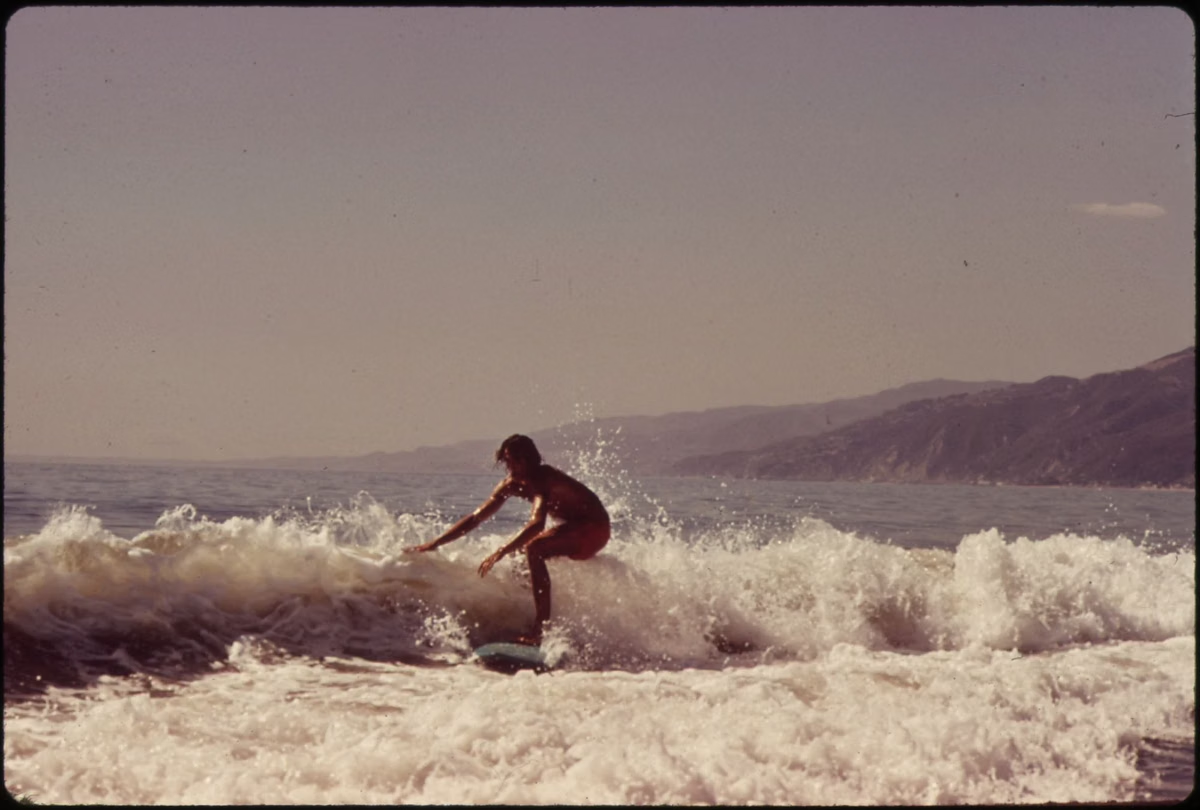
Save The Waves dates surfing at Malibu to the 1920s. The Gidget book and film that brought crowds to the sport were set here. Early high-performance surfboards were designed here, and surfers such as Miki Dora, Lance Carson, Dewey Weber and Dale Velzy made Malibu their home.
The World Surfing Reserve ceremony in 2010 began with a sunrise blessing led by Chumash leader Mati Waya and a paddle-out by about a hundred surfers.
A Beach That Needs Sand
State Parks says Surfrider Beach was named a Beach Erosion Concern Area in 2010 because it is too narrow for the crowds it draws and to protect what sits behind it. State Parks also shows storm damage being repaired at the Adamson House in 2012. Removing Rindge Dam upstream, which State Parks is designing, would free trapped sediment that could help rebuild beaches like this one.
Nearby
- Malibu Pier, at the east end of the beach.
- Adamson House, whose gardens look out over it.
- Malibu Lagoon Trail and Bird Watching, at the west end.
Surfrider Beach FAQ
Where is Surfrider Beach?
In Malibu, at 23050 and 23200 Pacific Coast Highway, between Malibu Lagoon and the Malibu Pier. It is part of Malibu Lagoon State Beach.
Can you surf at Surfrider Beach?
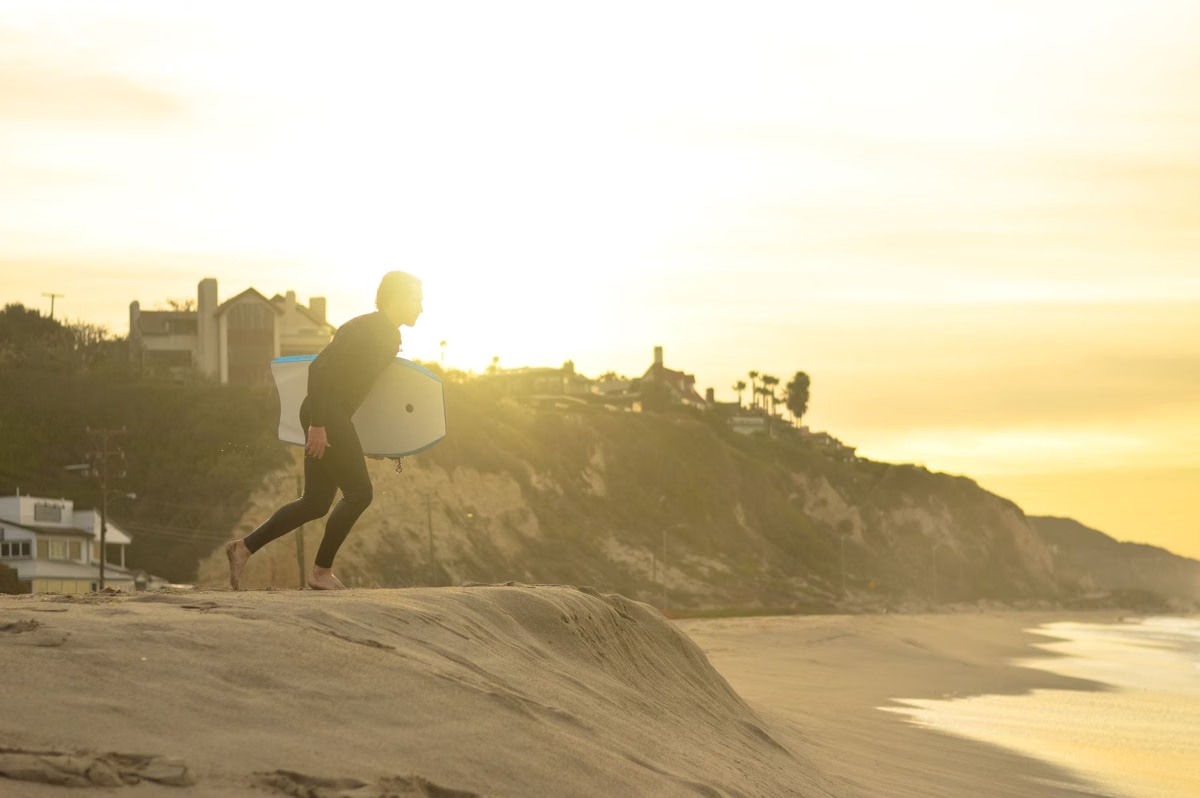
Yes. Surfrider is one of California's best-known surf spots, a right-hand point break that works best on south swells in spring, summer and fall. LA County lists surfing among its main activities.
Is there parking at Surfrider Beach?
Yes. LA County runs a 90-space fee lot next to the Adamson House. The State Parks lot at Cross Creek Road is a short walk west, and free parallel parking on PCH is sometimes available.
Are there lifeguards at Surfrider Beach?
Yes. LA County lists lifeguards at Surfrider Beach during daylight hours. Swimming areas are limited, so swim near a staffed tower.
Why is it called a World Surfing Reserve?
Save The Waves named Malibu's Surfrider Beach the first World Surfing Reserve on October 9, 2010, for the quality of its waves, its role in modern surf culture and the wetlands of Malibu Lagoon.